FORENSIAWeb3 forensicsOpen workspace
Read-only · Public sources · Free beta

Trace, decode, verify and explain every on-chain claim.

Paste an address or a transaction. Forensia asks public sources what happened, hashes every answer, and shows you exactly where the evidence stops.

No wallet connection · Name and email before your first search · Free beta

01 · The ledger

Public is not the same as legible.

Public blockchains expose records, not the whole story. Coverage varies, private activity can stay hidden, and a transfer alone does not tell you who controls an address.

02 · The capture

Ask the sources. Record what they say.

Forensia queries data providers and records source references and response hashes. Public-beta reports exclude raw response bodies; a hash cannot recover a response or prove that a provider is right.

03 · The evidence

A clear line where the proof ends.

Captured, bounded and declined are drawn differently, so a partial history never passes for a complete one. Conclusions stay yours.
See it work

One identifier. Four steps.

A replay of a lookup on Bitcoin’s genesis address, at the pace it actually runs. Nothing to install, nothing to connect.

web3.forensia.ai

Address or transaction

Investigate

Waiting for an identifier.

0 / 5

  • Source record 01pending
  • Source record 02pending
  • Source record 03pending
  • Source record 04pending
  • Source record 05pending

The film · 21 seconds

Evidence, not accusations.

The same lookup, start to finish, including the part most tools leave out: what it cannot establish.

Frequently asked
questions.

A few things to know before your first lookup.

Have another question? Get in touch
What can I do with Forensia?

Look up a wallet, transaction or smart contract to understand its on-chain activity. Follow transfers, inspect available contract calls and check the sources behind the result.

Try a lookup
How do I get started?

Open the workspace, choose a network and paste a public address or transaction hash. The free beta asks for your name and email before your first search. You can also start with a case study.

Explore the case studies
Do I need to connect my wallet?

No. You can search public blockchain records without connecting a wallet or creating an account. Forensia does not need your seed phrase, private key or a transaction signature.

Which blockchains can I explore?

Bitcoin, Ethereum, Base, Arbitrum One, Optimism, Polygon PoS, BNB Smart Chain and Avalanche C-Chain. Available data and features vary by network and source.

See network coverage
Is Forensia free to use?

The public beta is free to use, with request limits. Some sources may be unavailable or return only part of a history; the workspace shows those limits with the result. Reports include findings and source references; raw bodies are not included in public-beta downloads.

Can it tell me if a wallet is safe?

Forensia helps you examine activity and available security signals. It does not give a safety score, prove who owns a wallet or guarantee that a token or contract is safe. A missing warning is not a clean bill of health.

Read how results are built
What happens to my searches?

Your lookup is sent to the configured data providers to retrieve public records. Investigation notes and saved work use browser storage where that option is offered. Optional engagement analytics are separate; the privacy notice explains the data handled by this deployment.

Read the privacy notice
Can Forensia recover stolen funds?

Forensia can help you document transactions and follow the movements visible in the available records. It cannot reverse a transaction, freeze assets or guarantee recovery. You can use the findings when speaking with an exchange or an incident-response professional.

What it reads

One identifier in. Everything the sources will give back.

EVIDENCE
NetworkBitcoin
NetworkEthereum
NetworkBase
ReadsReceipts
ReadsCall traces
ReadsToken flows
ReadsApprovals
ReadsProxy routing
ReadsUTXO spends
ReadsVerified ABIs
KeepsSource hashes
KeepsReports
ReadsBridge context
ChecksLook-alikes
NetworkBitcoin
NetworkEthereum
Locate

Locate

Locate
Follow

Follow

Follow
Verify

Verify

Verify
ReadsToken flows
ReadsApprovals

Who it is for

Built for people who have to be right.

If your name goes on the conclusion, you need to know what the chain recorded and what somebody assumed. Ten kinds of reader, one standard of evidence.

01

Independent investigators and forensic consultancies

Trace a case, keep the source behind every step, state what is uncertain, and hand the client a report they can check.

02

Protocol and wallet security teams

Reconstruct an exploit or a suspicious permission change call by call, follow the outflows, and keep an incident record.

03

Incident response firms

Triage a breach in the first hours, follow the fund movements the records support, and pass the evidence to partners.

04

Journalists and OSINT researchers

Turn an on-chain lead into a sourced story. See which parts are recorded and which are someone's inference.

05

Exchange and wallet fraud teams

Look into one customer complaint, one suspicious flow or one abuse case, with every record open to inspection.

06

Law firms and asset-recovery specialists

Review transaction paths and share a careful evidence package. A trace shows movement; it does not prove who owns a wallet.

07

Law enforcement investigators

Understand a lead, follow the transactions, and document a case another examiner can reproduce from the same sources.

08

Victims of hacks and scams

See what happened to your funds in plain language, and bring accurate details to the professionals you contact.

09

Students and the curious

Start with case studies and guided examples. Learn what the records show before trying your own lookup.

10

Traders checking before they act

Examine a suspicious token, wallet or contract first. What you get is recorded evidence, not a safety score.

Case studies · 9 films

The incidents everyone cites, read from the records.

Each film reconstructs a reported incident inside the product, one lookup at a time, and says out loud where the tool stops.

FORENSIACase film 01February 21, 2025

$1.5B

from one Bybit wallet

Bybit: Multisig Wallet Takeover

FORENSIACase film 02September 19–20, 2026

8.72M FET

drained from the SingularityNET bridge

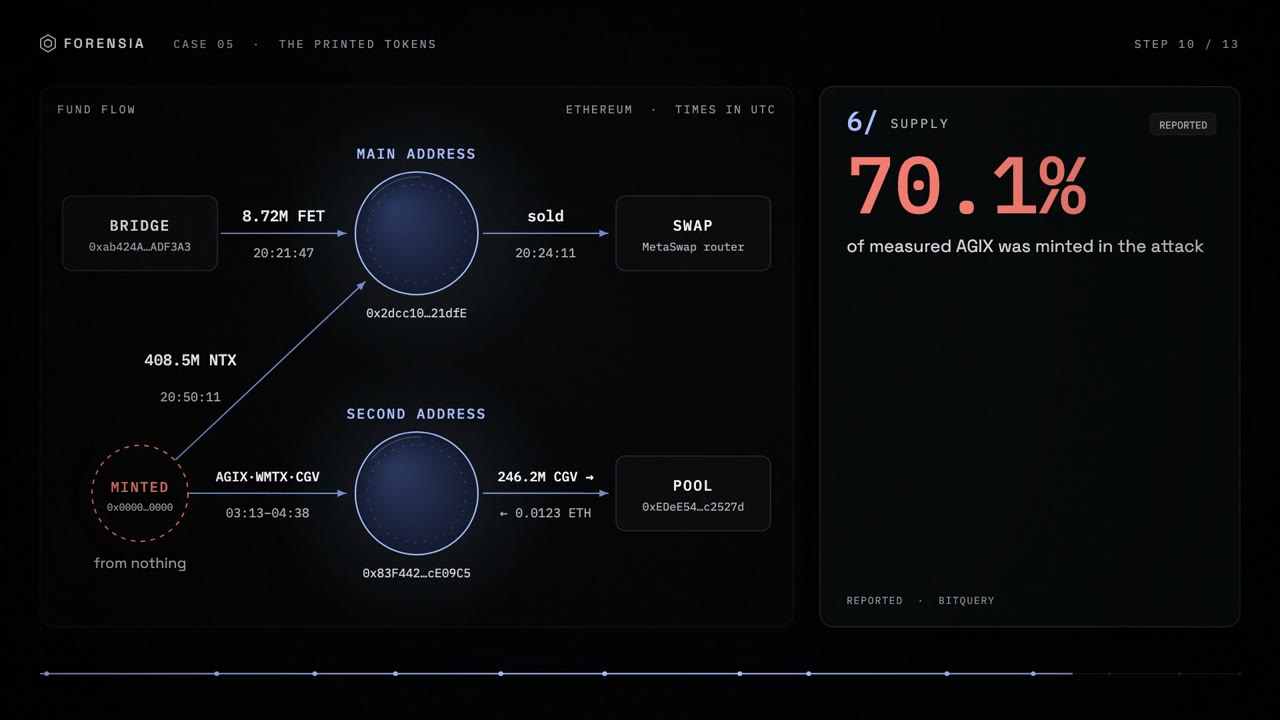
SingularityNET: Bridge Drain and Token Mints

FORENSIACase film 03July 30, 2026

≈1,816 BTC

in four waves, from more than 5,000 wallets

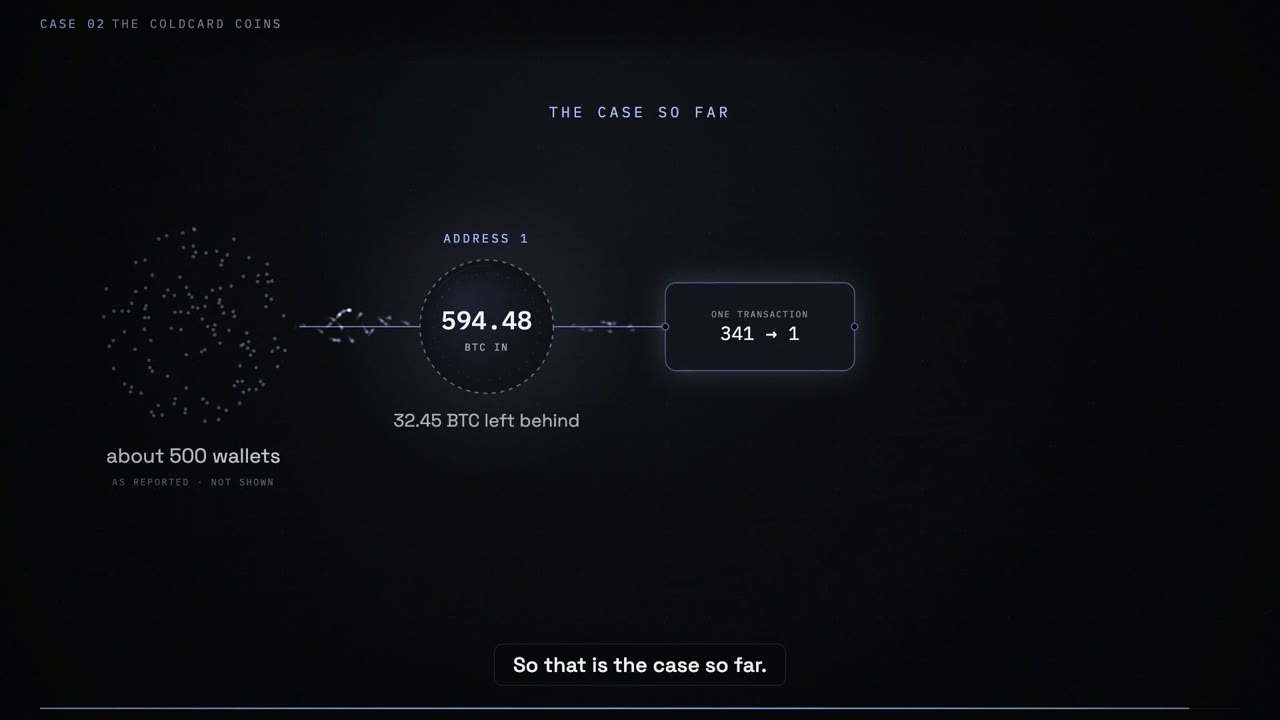
Coldcard: Bitcoin Wallet Drains

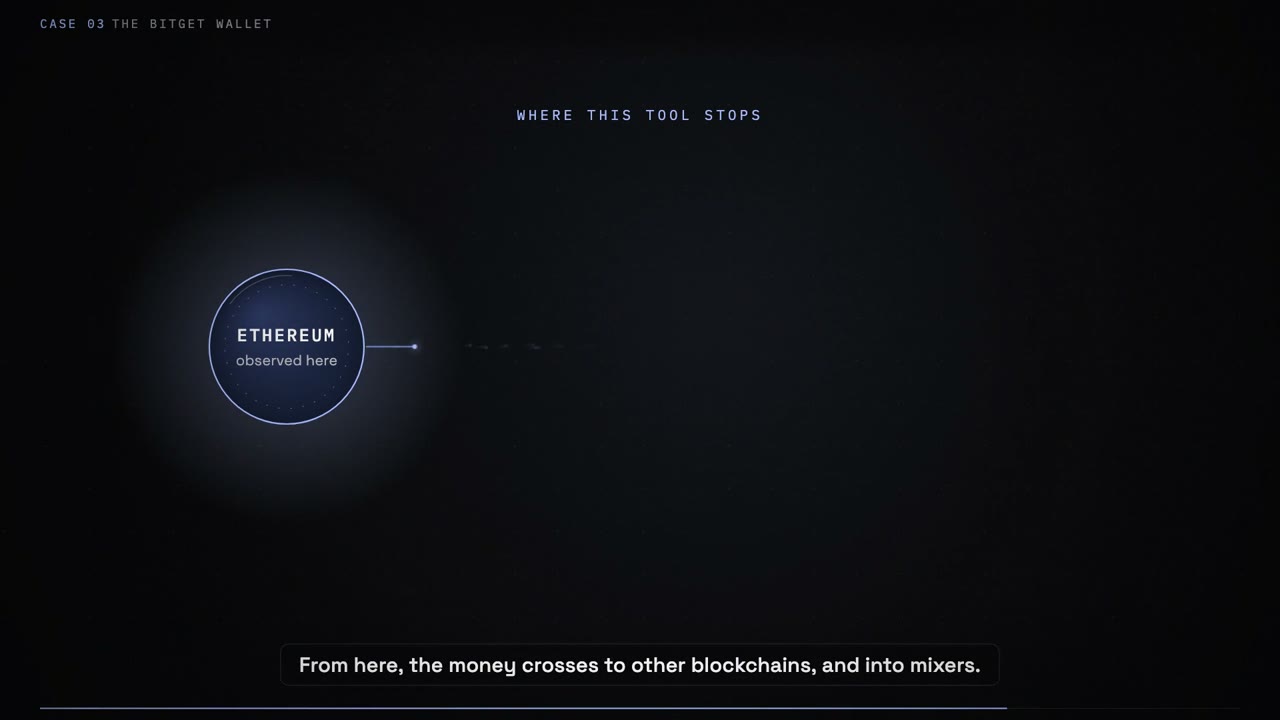
FORENSIACase film 04September 24, 2026

$387.5M

left Bitget in under three hours

Bitget: Exchange Wallet Drain

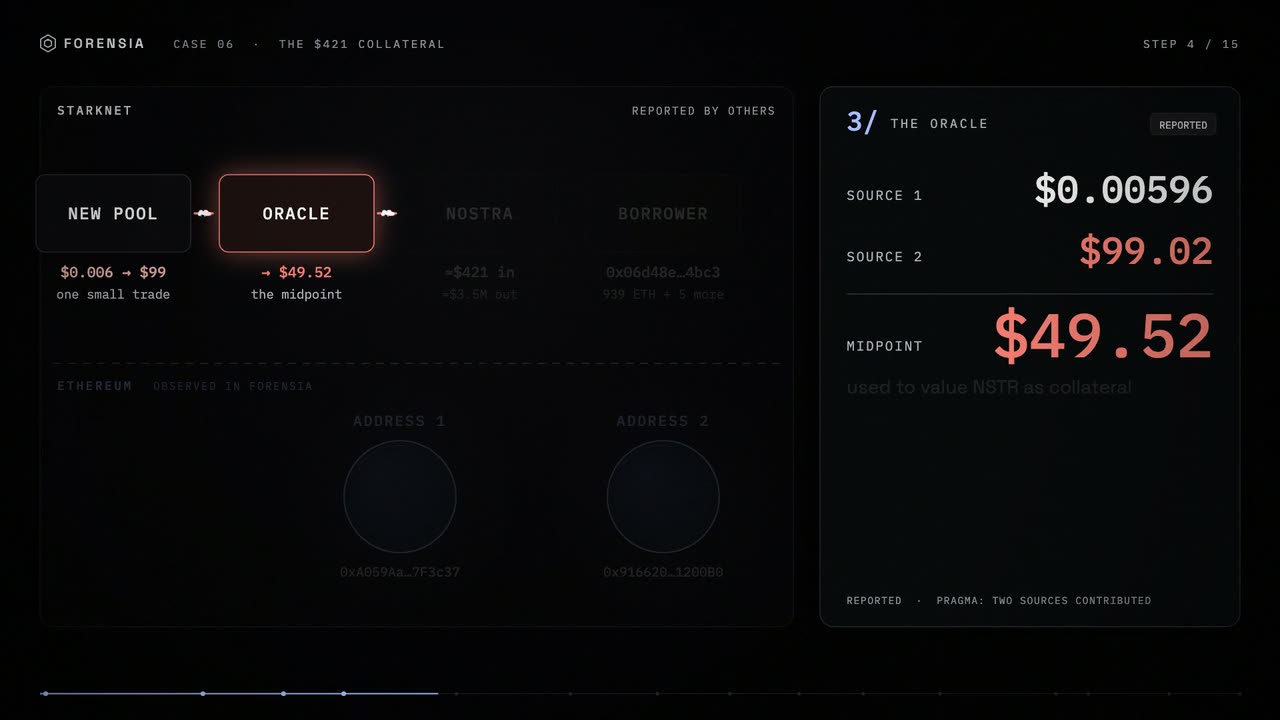
FORENSIACase film 05September 17, 2026

$3.5M

borrowed from Nostra against its own token

Nostra: Oracle Manipulation on Starknet

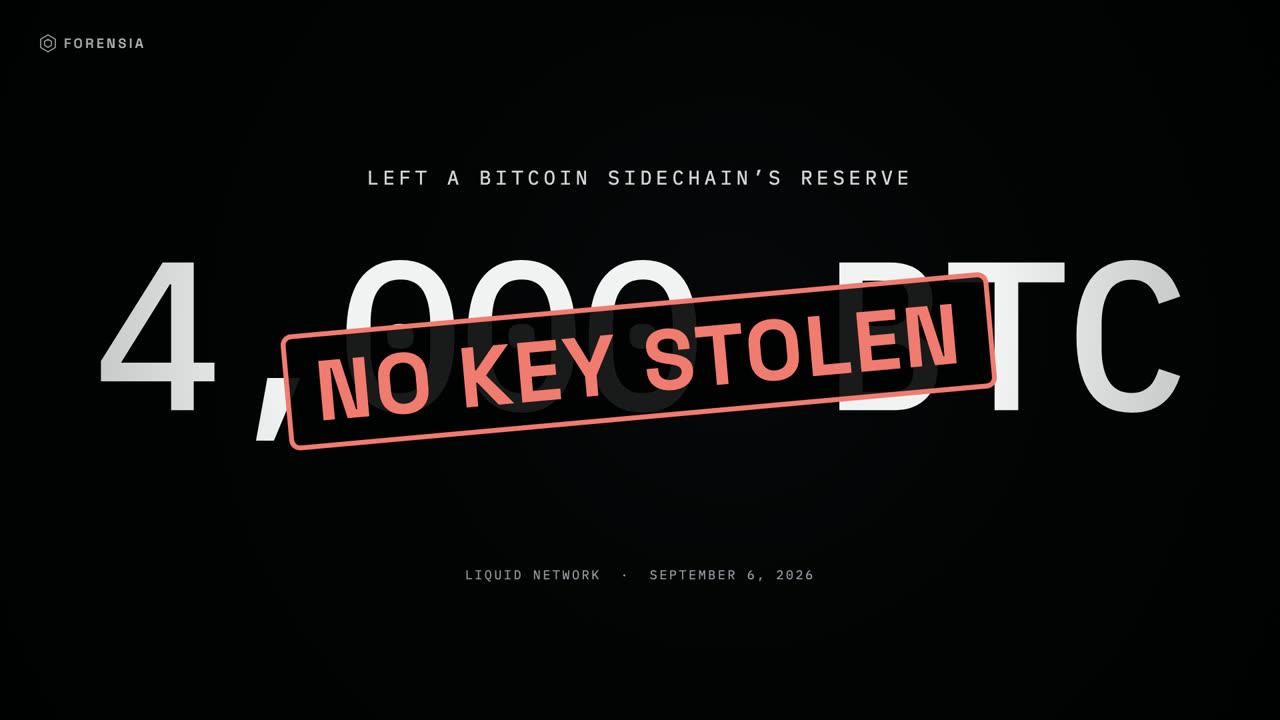
FORENSIACase film 06September 6, 2026

≈4,000 BTC

paid out of the Liquid Federation's reserve

Liquid Network: Unbacked L-BTC and Reserve Drain

FORENSIACase film 07August 22, 2026

148.3M KII

reported drained across 18 targets

KiiChain: Cosmos EVM Balance Exploit

FORENSIACase film 08August 20, 2026

720.9M MANTRA

reported extracted from two MANTRA-managed wallets

MANTRA: Cosmos EVM Balance Exploit

FORENSIACase film 09July 15, 2026

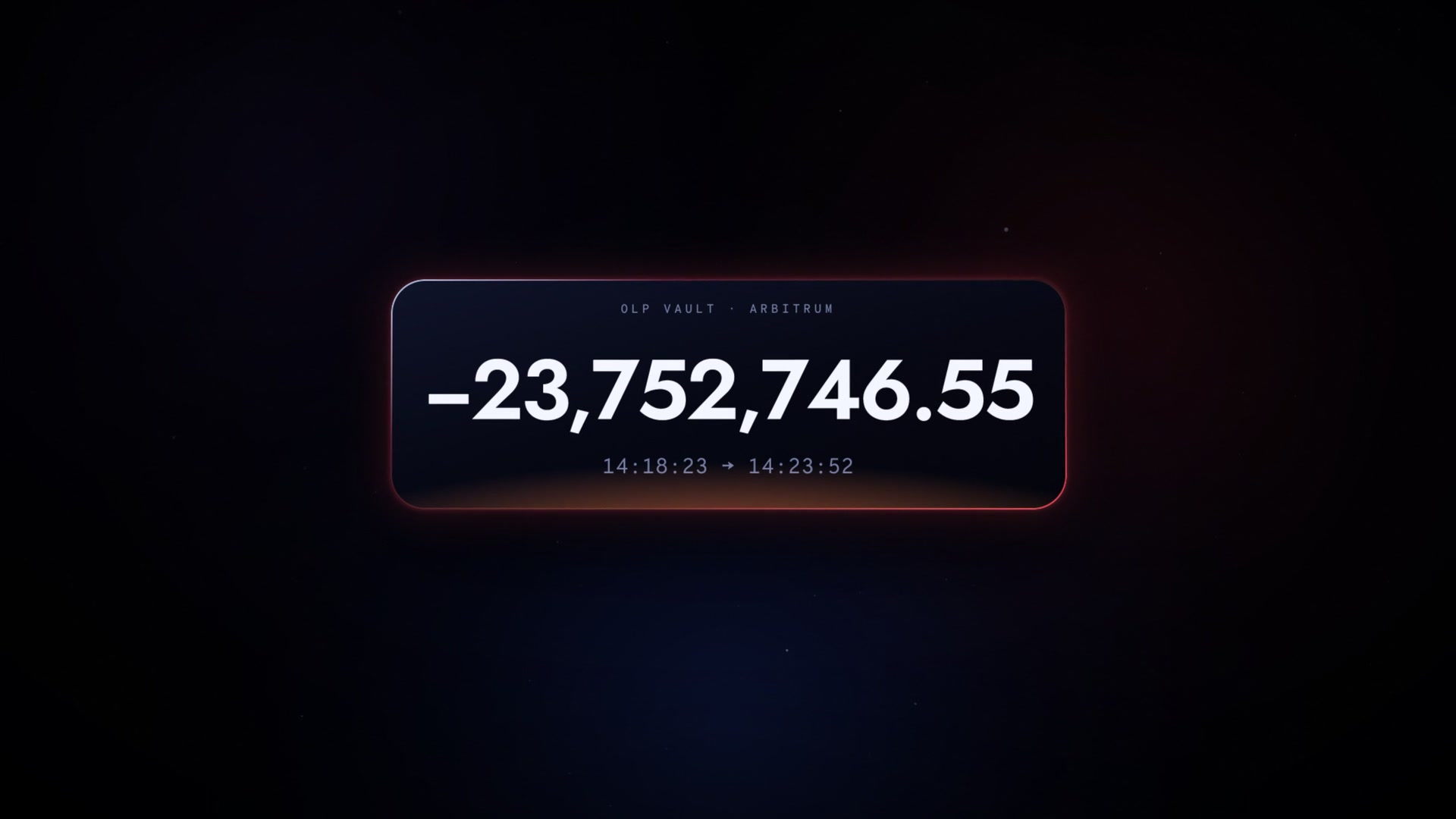
$23.75M

reported loss from the OLP vault

Ostium: Price Feed Compromise

February 21, 202501 / 09

Bybit: Multisig Wallet Takeover

$1.5Bfrom one Bybit wallet

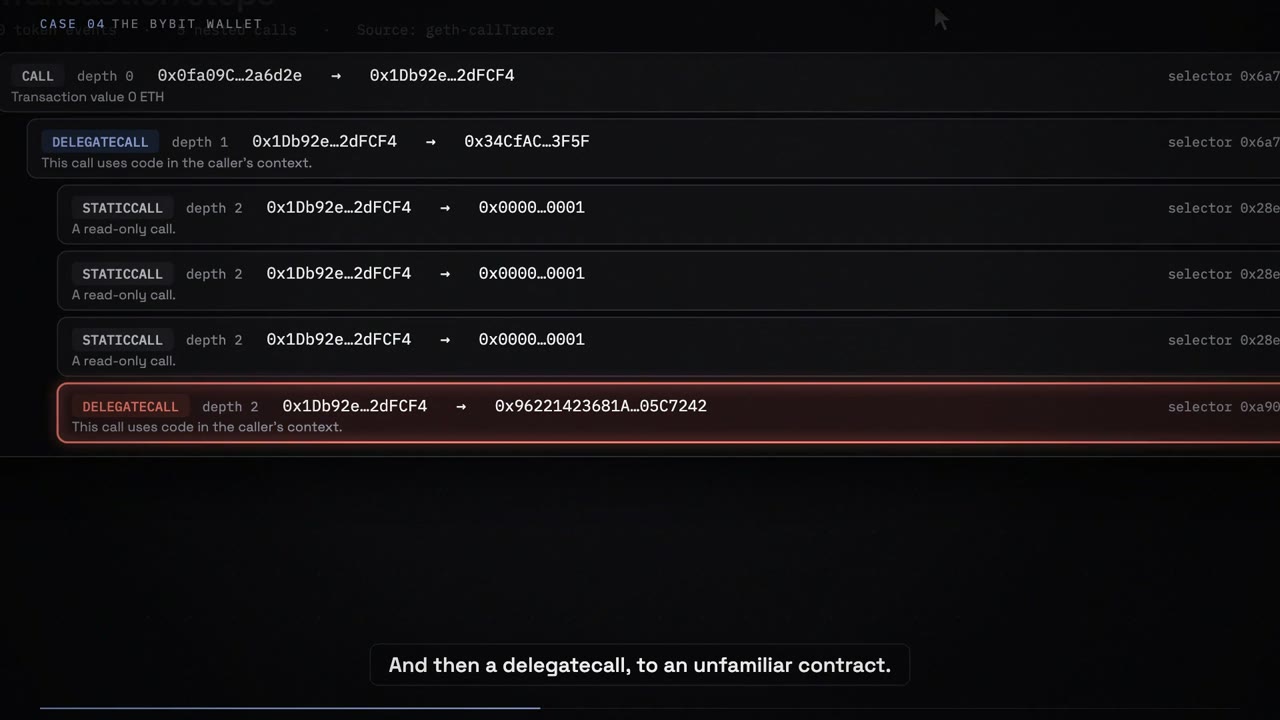
No keys were stolen. Three signers approved what looked like a routine transfer. The call trace shows what it was: a delegatecall that ran someone else's code with the wallet's authority.

Attribution in the film is reported by others, not observed by Forensia.

Start with one identifier

See what the chain will actually tell you.

Hover to reach us